
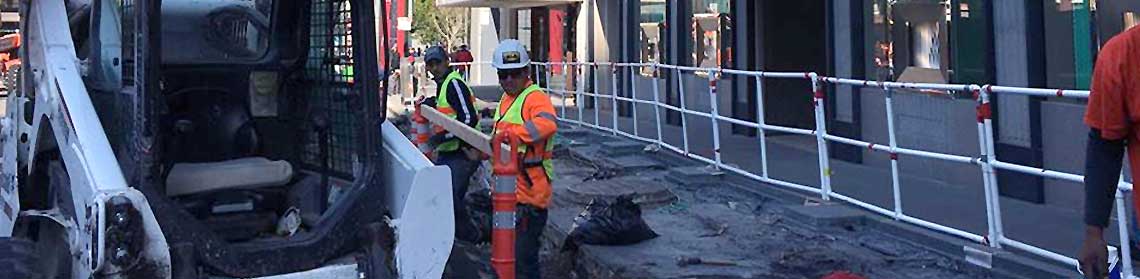
The morning after a hard Bay Area storm, the problem is usually bigger than a few branches in the driveway. A storm debris cleanup service can help when fallen limbs, broken fencing, water-damaged belongings, loose yard waste, and damaged building materials have turned your property into a heavy, messy cleanup job. The goal is simple: clear what can be safely removed, open access to the property, and get the site ready for the next repair.
For homeowners, landlords, property managers, and contractors, speed matters. But rushing into a cleanup without checking for hazards can create more damage or put someone at risk. The best approach is to sort out what needs immediate attention, what can be hauled away, and what requires a specialist before anyone starts loading debris.
Start With Safety, Not the Pile of Debris
Storm damage can hide hazards under leaves, mud, branches, and soaked rubbish. Before moving anything, look for downed or low-hanging power lines, standing water near electrical equipment, unstable trees, cracked walls, damaged roofs, and blocked access routes. If a utility line is involved, stay clear and contact the utility company or emergency services as needed. Do not try to pull branches or fencing away from a line yourself.
A tree that is leaning over a home, vehicle, sidewalk, or neighboring property is another situation that needs care. Small branches already on the ground are one thing. A split trunk, a branch hanging high overhead, or a tree caught in another tree is work for a qualified tree professional. Hauling crews can remove debris after the area is made safe, but cutting or climbing around unstable trees is not a job to guess at.
Water changes the cleanup too. Wet drywall, insulation, carpet, and furniture can get heavy fast. Materials that looked manageable before the storm may take several people, equipment, and a hauling vehicle to remove safely. If floodwater or sewage affected the area, ask the right cleanup or restoration specialist how to handle contaminated material before it is moved.
What a Storm Debris Cleanup Service Can Haul Away
Once the site is safe, the practical work begins. Storm cleanup often involves a mix of materials that do not fit in a regular trash cart and cannot be handled in one or two pickup loads. A capable crew can load, haul, and dispose of common storm debris from residential and commercial properties.
That may include fallen branches, brush, shrubs, leaves, yard waste, damaged fences, broken patio materials, loose lumber, soaked furniture, mattresses, appliances, household junk, and construction debris. After a remodel or repair project, there may also be drywall, flooring, cabinets, roofing materials, concrete, and other demolished materials that need to leave the site.
The right equipment depends on the job. A few piles of green waste may only need labor and a hauling truck. A large tree limb pile, damaged shed, broken concrete, or debris spread across a commercial site may require Bobcats and heavier cleanup equipment. This is why a job-specific estimate is more useful than a flat guess over the phone. The amount of material, access to the pile, weight, and disposal needs all affect the work.
Separate Emergency Work From Cleanup Work
Not every storm-related problem belongs to the same contractor. Knowing the difference keeps the job moving and helps avoid paying for the wrong service.
Emergency repairs may involve roofing, electrical work, plumbing, structural stabilization, mold remediation, or tree removal. Those issues need the appropriate licensed professional. Cleanup and hauling begins when it is safe to enter the area and the damaged materials, junk, and debris can be removed.
There is often overlap. For example, a contractor may remove a damaged fence or shed as part of a repair plan, while the hauling crew removes the broken wood, old posts, concrete footings, and rubbish left behind. If a patio, wall, or structure needs selective demolition before rebuilding, a licensed demolition contractor can handle the removal and haul away in one job.
This matters for landlords and property managers handling multiple units. Clearing common areas, driveways, parking spaces, and walkways quickly can reduce tenant complaints and make it easier for repair crews to reach the damaged area. For real estate professionals, cleaning up a storm-hit yard or garage may also be the fastest way to make a property presentable again.
Take Photos Before the Cleanup Begins
A clean property is the goal, but do not lose the record of what happened. Take clear photos and video of the damage before debris is moved, especially if you may file an insurance claim or need to document a tenant issue. Capture wide shots of the entire area and closer images of damaged fences, structures, furniture, vehicles, and personal property.
If possible, make a basic list of what was damaged or removed. You do not need a complicated report. A simple note identifying items such as “two sections of fence,” “damaged patio furniture,” or “fallen oak branches in rear yard” can be useful later.
Then identify anything you want to keep before the crew arrives. Storm cleanup moves quickly once equipment and labor are on site. Mark items that are being saved, set aside personal belongings, and remove valuables from the work area. If something is difficult to identify in a wet garage or cluttered yard, say so before loading starts.
Make the Site Accessible for Hauling
Debris removal is faster when a hauling vehicle can get reasonably close to the material. Move vehicles out of the driveway if they are not damaged, unlock gates, and point out narrow side yards, steep access, low branches, or soft ground. A crew can plan around difficult access, but knowing about it ahead of time helps them bring the right equipment and labor.
Do not spend hours trying to create perfect piles unless it is safe and easy. In many cases, it is better to leave large branches, soaked furniture, broken fencing, and heavy materials where they are. Dragging them across a lawn can damage landscaping, and lifting them without help can cause injury. A professional crew can sort, load, and clean the area as part of the job.
For commercial properties and construction sites, access planning may include loading zones, tenant traffic, gates, parking restrictions, and work hours. A cleanup plan should keep debris out of pedestrian routes and avoid blocking deliveries or emergency access.
Disposal Is More Than Taking Everything to the Dump
Storm debris can be a mixed load, and mixed loads require proper handling. Green waste, wood, metal, appliances, concrete, household junk, and construction debris may have different disposal requirements. A reputable hauling contractor sorts the job as needed and takes materials to appropriate facilities rather than leaving the owner with a driveway full of bags and no place to take them.
Some items need special attention. Appliances may need to be handled separately. Paint, chemicals, fuel, batteries, and other hazardous materials should not be tossed into a general debris pile. If you find those items during cleanup, keep them separate and ask what disposal option is appropriate.
The same goes for heavy concrete and dirt. These materials can exceed what ordinary junk removal crews are set up to haul. When storm damage exposes broken patios, fence footings, or damaged concrete, equipment-based removal may be the safer and more efficient option.
When Professional Help Saves Time and Trouble
A small cleanup can sometimes be handled with a rake, a few trash bags, and a weekend. It makes sense to call for help when the pile is too heavy, too large, too wet, or too difficult to load safely. Professional hauling is especially useful after a storm has damaged a fence, shed, patio, garage, rental property, or jobsite and several types of debris are involved.
It also helps when the property needs to be cleared before another contractor can begin repairs. Waiting for debris to disappear on its own delays roofing work, fencing, reconstruction, inspections, and tenant turnover. One crew that can provide labor, hauling vehicles, cleanup equipment, and demolition support can simplify a job that would otherwise require several calls.
Ron’s Hauling has handled Bay Area debris, junk removal, site cleanup, and demolition work since 1993. Whether the job is a load of storm branches or a damaged structure that needs selective demolition and haul away, the right next step is a clear look at the site and a straightforward estimate.
After the immediate mess is gone, walk the property once more. Check that access is open, loose materials are removed, and any repair concerns are clearly identified. That final look turns storm cleanup from a pile of problems into a property that is ready to move forward.