
A yard can go from manageable to overwhelming fast. One tree trimming project, a weekend of pulling shrubs, or a winter storm can leave piles of branches, brush, leaves, dirt, and broken fencing with nowhere to go. A yard waste removal service gives homeowners, landlords, and property managers a straightforward way to clear the mess without loading a personal vehicle again and again.
For larger piles, heavy material, or mixed cleanup debris, hauling is usually safer and faster than trying to work around a curbside pickup schedule. The right crew brings the labor, hauling vehicle, and equipment needed to load it up and leave the property clean.
What a Yard Waste Removal Service Can Haul Away
Yard waste is more than a few bags of leaves. It can include tree limbs, palm fronds, hedge clippings, brush, roots, weeds, old mulch, and storm-damaged vegetation. After a major cleanup, it may also include broken planters, rotted landscape timbers, damaged lawn furniture, old patio materials, and sections of fence.
The important detail is whether the pile is all green waste or a mixed load. Clean branches and brush are one type of material. A pile containing dirt, rocks, concrete, lumber, plastic pots, metal, and household junk requires a different disposal plan. Separating materials when practical can make the job easier, but customers do not need to solve every disposal question before calling. A hauling crew can look at the pile, identify what is there, and provide an estimate based on the volume, weight, access, and labor involved.
Dirt is a common surprise. It may look like a small pile until it needs to be loaded, and it gets heavy quickly. The same is true of wet leaves, mud-covered roots, landscape rock, and waterlogged branches. Those materials are often better handled with the right equipment than with trash bags and a pickup truck.
When It Makes Sense to Call for Yard Debris Hauling
A small amount of clippings may fit into regular green-waste service. But a professional haul away becomes the practical option when the pile is too large for the bin, too heavy to move safely, or sitting in the way of a project that needs to keep moving.
Tree and shrub removal is a common reason to call. Cutting back an overgrown hedge may leave more debris than expected, while removing a mature shrub can expose roots, soil, and old irrigation materials underneath. Storm cleanup is another. Fallen limbs and scattered debris need to be cleared before they become a tripping hazard, block access, or damage a fence.
Property turnover can create a bigger cleanup job. Landlords and real estate professionals may find an overgrown backyard along with abandoned furniture, old grills, broken pots, and rubbish left in a side yard. One crew that can handle yard debris and unwanted items saves time compared with scheduling separate services.
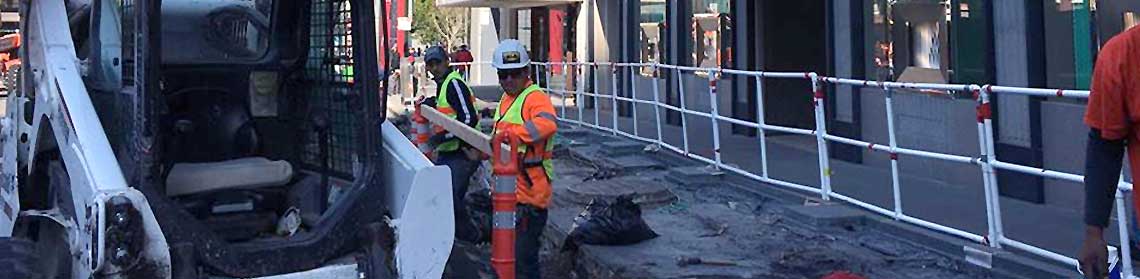
For contractors, yard cleanup often overlaps with construction debris removal. A landscape renovation might involve old concrete, removed fencing, demolished patio materials, soil, and vegetation. That job may need Bobcat work, demolition capability, and hauling capacity rather than a basic green-waste pickup.
Preparing for a Faster Yard Waste Removal Service
You do not need to bag every leaf or cut every branch into identical lengths. In fact, spending hours trying to make the pile look perfect can delay the cleanup without changing the amount of material that must be hauled away. Still, a little preparation helps the crew work efficiently and helps avoid surprises during the estimate.
Before the appointment, do these practical things:
- Keep vehicles clear of the driveway or the closest available loading area.
- Point out any material that should stay, such as irrigation parts, planters, tools, or firewood.
- Move pets indoors and keep children away from the work area while loading is underway.
- Mention steep slopes, narrow gates, overhead lines, soft ground, or limited street parking before the crew arrives.
- If possible, place loose debris in one general area instead of spreading it across the yard.
Access matters as much as pile size. A neat pile near a driveway is generally easier to load than the same amount of brush behind a narrow side gate or down a steep hill. If a crew must carry material a long distance, cut through fencing, or use equipment to reach it, that affects the scope of the work.
Photos can help describe a job, especially for an initial conversation. Take a wide photo that shows the full pile and a second photo that shows the access route. For dirt, concrete, or mixed debris, include something nearby for scale. A close-up alone can make a pile look much smaller or larger than it really is.
Tree Branches, Brush, Dirt, and Old Landscaping Materials
Not every yard cleanup is a simple brush removal job. A property may have branches stacked after trimming, but it may also have an old shed, failing fence, cracked patio, unwanted hot tub, or piles of broken concrete. These materials should be handled according to what they are, not treated as one giant green-waste pile.
Branches and brush can be loaded and hauled away, while concrete, dirt, and demolition debris often need heavier equipment and a different disposal approach. If an old structure needs to come down before the yard can be cleared, it helps to work with a licensed contractor that understands both demolition and cleanup. That avoids the problem of tearing something out only to be left with a pile nobody is prepared to haul.
Ron’s Hauling has handled cleanup and demolition work since 1993, from smaller residential debris piles to larger property projects that require equipment, labor, and careful removal. For a customer, the value is simple: explain what is in the yard, show the access, and get a job-specific plan instead of guessing at dumpster sizes or making repeated disposal runs.
What Affects the Cost of Yard Debris Removal?
There is no useful one-price answer for every yard. A few dry branches at the curb are different from a backyard filled with wet brush, roots, soil, and damaged fence sections. A fair estimate considers the amount of material, the type of debris, loading time, travel distance from the pile to the truck, equipment needs, and disposal requirements.
Heavy materials usually cost more to handle than light green waste because they take more labor, limit how much can be safely loaded at once, and may require specialized disposal. Access can also change the job. A load at the curb is easier than material that must be carried through a home, down stairs, or around landscaping that cannot be damaged.
Be clear about mixed materials from the start. If a brush pile contains hidden concrete, metal, household junk, or hazardous material, it can change the disposal plan. Honesty upfront helps the crew arrive prepared and keeps the work moving.
Do Not Let a Pile Become a Bigger Property Problem
Yard debris left too long can create more than an eyesore. It can block walkways, attract pests, hold moisture against fencing, make maintenance harder, and hide hazards such as broken glass or sharp metal. For vacant homes and rental properties, an overgrown or cluttered yard can also make the whole property look neglected.
Whether the job is a storm cleanup, a seasonal trim, a move-out, or the start of a landscape project, deal with the pile while it is still contained. Clear access, a direct estimate, and an experienced hauling crew can turn a difficult weekend cleanup into an open, usable yard again.