
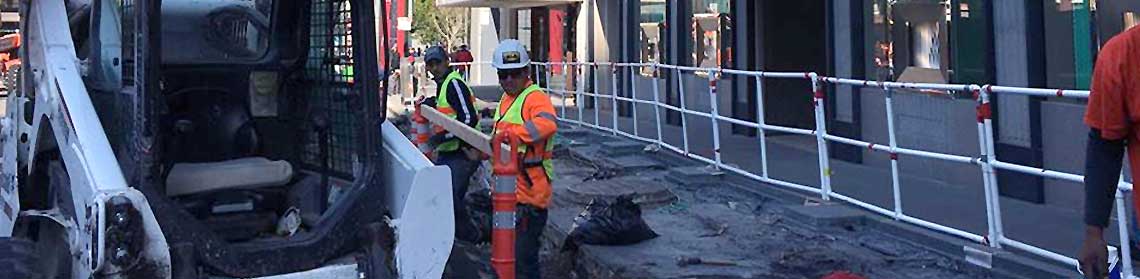
A vacant office, retail suite, warehouse, or rental building can look manageable until you start counting what has to go: desks, shelving, old inventory, broken fixtures, construction debris, carpet, concrete, and years of rubbish left behind. A commercial property cleanout service gives owners, managers, contractors, and real estate professionals one crew to handle the heavy work, haul away the debris, and leave the space ready for its next use.
The right scope depends on the building and the condition it is in. Some properties need a fast furniture and junk haul away before a new tenant moves in. Others need selective demolition, concrete removal, equipment, and a full site cleanup before remodeling or redevelopment can begin.
What a Commercial Property Cleanout Service Handles
Commercial cleanouts are not one-size-fits-all jobs. A small office turnover may mean removing filing cabinets, cubicles, chairs, old electronics, and boxed materials from a few rooms. A former restaurant, retail store, or industrial space may involve built-in counters, damaged flooring, shelving, appliances, fixtures, debris piles, and materials left in storage areas.
A capable hauling crew can remove loose junk and bulky items that cannot fit into ordinary trash service. That includes office furniture, desks, work tables, display racks, mattresses, appliances, pallets, scrap material, old equipment, and general rubbish. If the property has outdoor cleanup needs, the work may also include yard waste, shrubs, storm debris, dirt, concrete, broken fencing, or unwanted structures.
The job changes when materials are attached to the building or site. Removing a patio, shed, interior wall, old cabinets, concrete section, or damaged fence may require demolition work before hauling can start. Handling both phases with one contractor can save the owner from scheduling separate demolition and junk removal crews.
Signs It Is Time to Schedule a Cleanout
The most common reason is a change in occupancy. A tenant moves out, a business closes, or a landlord takes back a space with unwanted property still inside. Waiting too long can delay repairs, inspections, listing photos, showings, or construction work.
Commercial cleanout is also useful after a remodel. Contractors can produce a lot of debris quickly: drywall, lumber, tile, flooring, cabinets, fixtures, packaging, and broken concrete. Keeping that debris out of work areas helps crews move safely and gives the jobsite a more organized look.
Some jobs are less planned. Storm damage can leave branches, damaged fencing, wet debris, and building materials around a property. A neglected warehouse unit or back lot may be filled with items accumulated over years. In those cases, the first step is often a walk-through to determine what can be hauled away, what needs to be demolished, and whether another specialist should handle any material outside the hauling contractor’s scope.
Start With the Condition of the Site
Before asking for an estimate, take a practical look at the property. The amount of material matters, but access matters just as much. A ground-floor retail suite with a rear loading area is very different from a second-floor office with narrow hallways, limited parking, and elevator rules.
Tell the hauling company about stairs, loading docks, gates, low overhead clearance, parking restrictions, tenant hours, and any required certificates or site procedures. If the cleanout needs to happen after hours to avoid disrupting customers or other tenants, say so at the beginning. Good planning prevents the crew from arriving with the wrong equipment or losing time to site access problems.
It also helps to separate what must stay from what must go. Mark items that belong to the owner, incoming tenant, or contractor. Remove important records, keys, access cards, personal property, and anything that could be mistaken for junk. Once a room is packed with old furniture and boxes, a clear plan is much cheaper than sorting through mistakes later.
Know When Hauling Is Not Enough
Hauling removes loose material. Demolition removes structures or attached building components. The two services often overlap, but they are not the same.
For example, taking away old office chairs and broken shelving is a hauling job. Removing built-in shelving, a restroom vanity, a nonstructural interior partition, damaged patio, or a concrete walkway may need selective demolition first. A licensed demolition and hauling contractor can assess the work, bring the proper equipment, break down the material, load it, and clean up the site afterward.
There are limits, and that is a good thing. Work involving hazardous materials, environmental concerns, specialized disposal requirements, or trades outside the contractor’s license should be identified early. A dependable local contractor will be straightforward about what they can handle and refer you to the proper professional when necessary.
Why Equipment and Crew Capacity Matter
A property cleanout can look like a simple labor job until heavy material is involved. Concrete, dirt, demolition debris, large appliances, hot tubs, sheds, commercial furniture, and dense rubbish can require hauling vehicles, Bobcats, demolition tools, and an experienced crew.
The cheapest quote is not always the lowest-cost choice if it requires several trips, leaves debris behind, or cannot handle the demolition portion of the project. On the other hand, a large equipment setup may not make sense for a few desks and boxes in a small suite. The right approach depends on volume, weight, access, and how quickly the space must be cleared.
Ask how the crew plans to load and remove the material. For a large site, a clear sequence matters: remove loose junk, demolish approved structures, load heavy material, sweep up debris, and make a final pass through the property. This keeps the work moving and helps avoid a half-cleared space that still blocks the next contractor.
Keep the Project Moving Without Creating More Problems
Commercial properties often have deadlines tied to leases, sale dates, inspections, permits, or construction schedules. Schedule the cleanout early enough that there is time to find hidden debris, repair damage behind old fixtures, or deal with materials that need separate handling.
If multiple parties are involved, choose one person to make decisions on site. Property managers, owners, contractors, and tenants may all have different ideas about what stays. A single authorized contact helps prevent delays and avoids hauling away items that should remain.
For occupied buildings, protect normal operations. Plan routes for carrying material out, keep entryways clear, and coordinate with other tenants when parking or loading zones are shared. A cleanout crew should work efficiently, but building management still needs control over security, access, and safety.
One Contractor for Cleanup and Demolition
When a commercial space needs more than a basic junk pickup, it helps to work with a contractor that can handle demolition and hauling together. Ron’s Hauling has served Bay Area property owners since 1993 and can take on everything from office junk and construction debris to selective demolition, concrete removal, and major site cleanup.
For properties in Danville, Alamo, San Ramon, or Walnut Creek, a job-specific estimate can account for the material, access, equipment, labor, and demolition needs involved. That is more useful than guessing from a few photos when the project includes heavy debris or attached structures.
A cleared commercial property gives you a real starting point. Whether the next step is repairs, a remodel, a new tenant, or a sale, getting the junk, debris, and unwanted materials out of the way lets the work that matters move forward.