
A tenant moves out, and the clock starts immediately. Every day a rental sits full of unwanted furniture, trash bags, garage clutter, yard waste, or remodel debris is another day it cannot be cleaned, repaired, photographed, and rented. Danville rental turnover cleanup is not just about making a place look better. It is about clearing the way for the next part of the job.
Some turnovers involve a few boxes and an old mattress. Others involve a packed garage, broken appliances, leftover paint cans, damaged fencing, carpet piles, and a backyard that has not been touched in months. The right cleanup plan depends on what was left behind, where it is located, and whether repairs or demolition work need to happen next.
Start With a Walk-Through Before Anything Gets Hauled
Before scheduling a haul away, walk the property room by room and make a clear list of what stays, what goes, and what needs another type of attention. This is especially useful when an owner, property manager, maintenance crew, and cleaning company are all involved. Nobody wants a usable appliance or stored item hauled away by mistake.
Check closets, cabinets, attics, sheds, crawl spaces, garages, side yards, and behind large furniture. These are the places where turnover junk tends to collect. Take photos before moving anything, particularly if there is tenant damage, abandoned property, or a deposit issue still being sorted out.
Separate obvious trash from items that may need special handling. Household furniture, mattresses, appliances, boxes, yard debris, construction debris, concrete, and scrap materials all take different amounts of labor and equipment to remove. A clear description of the job makes it easier to get an accurate estimate and send the right hauling setup.
What Commonly Gets Left Behind at Rentals
A rental turnover can create more than a curbside load of rubbish. Large items take up space, slow down cleaners, and can block painters, flooring crews, plumbers, or inspectors from doing their work. In many cases, hauling needs to happen before any other vendor can get started.
Common turnover removal jobs include:
- Sofas, beds, dressers, tables, chairs, and unwanted household furniture
- Mattresses, box springs, refrigerators, washers, dryers, and old appliances
- Garage clutter, storage bins, tools, shelving, tires, and miscellaneous rubbish
- Tree branches, shrubs, green waste, old planters, and storm debris
- Broken fencing, patio materials, lumber, drywall, carpet, tile, and remodeling waste
- Heavy debris such as dirt, brick, concrete, or sections of damaged hardscape
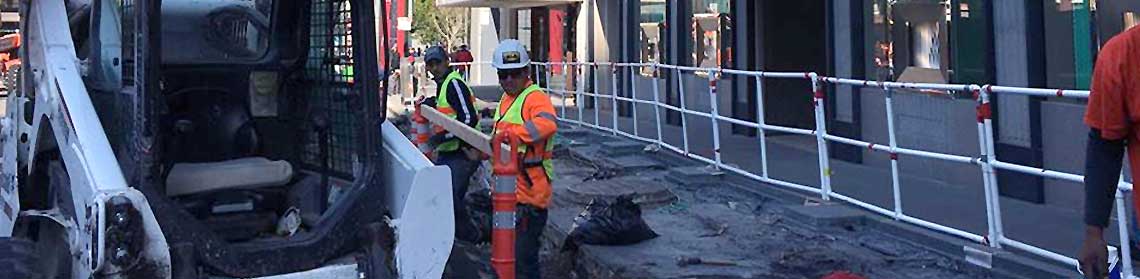
The heavy items are where a professional crew and proper equipment make the biggest difference. A refrigerator is awkward. A waterlogged sofa is worse. Broken concrete and dirt can quickly turn a simple cleanup into a job that needs a Bobcat, hauling vehicle, and a crew that knows how to load it safely.
Danville Rental Turnover Cleanup Should Follow the Repair Schedule
The fastest-looking cleanup is not always the best order of work. If a contractor needs to remove a damaged patio, tear out an old shed, or handle selective demolition inside the unit, it usually makes sense to do that before the final junk removal and cleaning. Otherwise, the demolition work creates another pile of debris after the property has already been cleared.
For a basic turnover, the order is often straightforward: remove abandoned items, complete repairs, bring in cleaners, then prepare the property for showings. But every property is different. If old furniture is blocking access to damaged flooring or a leaking appliance, that material should be removed first. If a yard is overgrown and a fence is falling apart, exterior cleanup may need to happen at the same time as indoor work.
Property managers handling multiple units should think in terms of access. Can the painter get to the walls? Can the flooring installer bring materials inside? Can a plumber reach the water heater? Hauling away debris early keeps small problems from becoming scheduling problems.
When the Job Needs More Than Junk Removal
Not every turnover is simply a haul away. A tenant may leave behind a rotted shed, a broken hot tub, damaged cabinets, old concrete, or construction materials from an unfinished project. Those situations call for a contractor who can assess whether selective demolition is needed before cleanup begins.
Selective demolition is useful when only part of a structure needs to come out. That could mean removing old kitchen cabinets before a remodel, taking out a cracked concrete section, tearing down a damaged fence, or removing a patio that is no longer safe. It requires a different approach than loading boxes into a truck, especially when utilities, neighboring property, or structural connections are involved.
For larger structural work, licensing and job experience matter. Ron’s Hauling has operated since 1993 and holds B, C21 Demolition, and D63 Hauling classifications, allowing the crew to handle cleanup work as well as many demolition and debris removal projects. If a job calls for a specialist outside that scope, getting the right professional involved is better than forcing a quick fix.
Avoid Delays Caused by DIY Piles
It is tempting to have a maintenance worker or owner start dragging everything to the curb. Sometimes that works for a few lightweight bags. It becomes less practical when there are bulky items, stairs, narrow side access, multiple loads, or disposal requirements to consider.
A DIY pile can also create problems with neighbors, HOA rules, street access, and property appearance. A rental being turned over should look like it is being cared for, not like it has become a dumping area. Keeping debris contained and getting it hauled away promptly helps protect that impression.
There is also a labor question. A two-person maintenance crew can lose most of a day loading furniture, hauling branches, and making disposal runs. That may cost more than expected when their actual priority is repairing the unit. Professional hauling lets the maintenance team stay focused on repairs while the cleanup crew handles the physical removal.
Give a Hauling Crew the Details That Matter
A good estimate starts with useful information. Say what needs to be removed, approximately how much there is, whether it is inside or outside, and whether there are stairs, gates, tight driveways, or access restrictions. Photos can help show the volume and type of debris, but they do not replace an on-site look when the job includes heavy material or demolition.
Be clear about timing, too. If the unit has a lease start date, cleaning appointment, inspection, or contractor scheduled, mention it. A turnover job often has several moving parts, and cleanup needs to fit the actual schedule rather than create another delay.
If there are items you want to keep, label them or move them to a separate area before the crew arrives. This is simple but important. A fast cleanup crew works efficiently, and clear direction protects anything that is not meant to go.
Do Not Wait Until the Property Is Ready to Show
The best time to arrange removal is when you know the tenant is leaving or as soon as you see the amount of material left behind. Waiting until the painters, cleaners, and leasing agent are all trying to work around piles of junk puts unnecessary pressure on the turnover.
A clean, empty unit gives you a better view of its real condition. You can spot wall damage, flooring issues, leaks, pest concerns, broken fixtures, and exterior repairs that were hidden behind clutter. That makes decisions easier and helps prevent surprises after the new tenant has already moved in.
Whether the job is one old couch or a full property cleanout with debris removal, handle the mess early. Getting the rental cleared is one solid step toward getting it repaired, cleaned, and back on the market.