
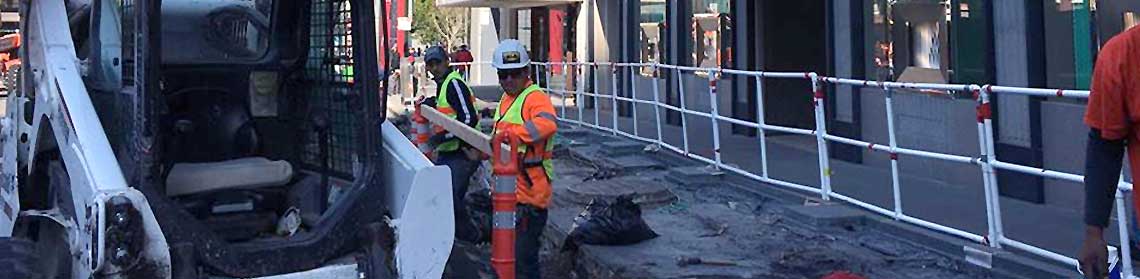
A demolition job is not finished when the wall, patio, shed, or concrete slab comes down. It is finished when the broken material is loaded out, the site is cleared, and you can move on to the next phase of the job. A demolition debris hauling service handles the heavy, dirty part of cleanup so homeowners, contractors, and property managers are not left staring at piles of lumber, concrete, metal, drywall, and rubble.
For a small project, debris can fill a driveway faster than expected. For a larger teardown, it can block access for crews, delay inspections, create trip hazards, and make a property look like work has stalled. The right hauling crew brings labor, trucks, and equipment that match the job instead of treating every pile as ordinary junk.
What a Demolition Debris Hauling Service Removes
Demolition waste is rarely one clean, easy material. A kitchen remodel may leave cabinets, countertops, drywall, flooring, tile, wiring, and old appliances. Removing a fence can mean posts set in concrete, wood panels, nails, dirt, and overgrown brush. Tearing out a patio or driveway produces especially heavy loads of broken concrete and base material.
A capable crew can haul away common demolished materials such as lumber, drywall, plaster, roofing, metal, concrete, brick, tile, dirt, insulation, fixtures, cabinets, doors, windows, and old flooring. The work can also include the removal of structures and items that are ready to go, including sheds, decks, fences, hot tubs, and damaged outdoor features.
The key question is not simply, “Can this be hauled away?” It is, “What will it take to remove it safely and completely?” Loose drywall and wood scraps may be loaded by hand. Concrete, large tree debris, heavy dirt, or a collapsed structure may call for a Bobcat or other equipment to keep the cleanup moving.
Hauling Is Different From Renting a Dumpster
A dumpster works well when a homeowner or crew has time, labor, and a clear place to set the container. You load it, keep debris contained, and arrange pickup when the work is done. That can be a good fit for an ongoing renovation with a steady flow of light material.
But dumpsters have limits. They take up space, may require placement approval, and still leave you responsible for loading everything. Heavy materials can create weight issues, and mixed debris may affect disposal requirements. If the pile is already on the ground, behind a building, scattered across a yard, or too heavy to lift, a full-service hauling crew is usually the more practical choice.
With demolition debris hauling, the crew does the lifting, loading, cleanup, and haul away. That matters when time is short, access is tight, or the property needs to be ready for the next contractor. It also means one provider can handle selective demolition and the debris cleanup that follows, rather than leaving you to coordinate separate crews.
When Equipment Makes the Difference
Not every cleanup needs machinery. A bathroom tear-out or a small room of construction debris can often be handled with the right crew and hauling vehicle. Equipment becomes valuable when the material is dense, bulky, widespread, or hard to reach.
Concrete removal is a common example. A few broken pavers are one thing. A demolished patio, sidewalk section, retaining wall, or driveway is another. Concrete is heavy, often reinforced, and difficult to move with wheelbarrows alone. A Bobcat can gather and load material quickly, reducing the amount of hand labor and the time a pile sits on site.
Equipment can also help with dirt, landscape rubble, fallen trees, brush, and demolition debris spread across a backyard or commercial lot. Access still matters. Narrow gates, steep grades, utility lines, parked vehicles, and landscaped areas may affect what equipment can be used. An experienced contractor looks at the site before promising a one-size-fits-all solution.
Start With the Scope of the Job
Before calling for hauling, take a simple look at what is actually being removed. Is this post-remodel cleanup, a selective demolition project, or a complete structure removal? Is the debris in one pile, or does it need to be brought out from inside a home, basement, backyard, or upper floor?
A clear description helps get an accurate job-specific estimate. Photos can be useful when available, but they do not always show the full weight of concrete, dirt, or wet materials. Mention anything that could affect access, including locked gates, stairs, shared driveways, low branches, or a need to protect finished surfaces.
It also helps to separate what is definitely going from what needs to stay. On a remodel site, that may mean identifying reusable doors, appliances, lumber, or fixtures before cleanup begins. A good haul-away crew can remove the unwanted material, but no one wants a useful item loaded by mistake.
Keep the Site Safe Before the Haul Away
Demolition debris is not harmless just because the main work is complete. Nails, sharp metal, broken glass, splintered wood, unstable piles, and exposed fasteners can injure workers, residents, tenants, or visitors. Wet drywall, heavy concrete chunks, and loose roofing material create their own handling problems.
If possible, keep children, pets, and unnecessary foot traffic away from the cleanup area. Do not climb on debris piles or try to shift large slabs without the right tools. Material that looks manageable can move suddenly, especially when it is stacked unevenly or caught beneath other debris.
Some materials need special attention. Suspected hazardous waste, chemicals, propane tanks, paint, asbestos-containing material, and certain electronic items are not ordinary demolition debris. Be upfront about what is on the property. If a job requires a specialty service outside the hauling scope, the right answer is to bring in the appropriate professional, not to guess.
Why Licensed Demolition Experience Matters
Hauling is physical work, but demolition cleanup is also part of a larger construction process. A crew needs to understand what can be removed, what may be supporting something else, and how to work around active job sites without creating additional damage.
That is especially true for selective demolition. Removing old cabinets, tile, a concrete section, a fence, or an interior feature may sound straightforward until there are plumbing lines, electrical connections, structural concerns, or tight access to consider. Licensed demolition experience helps keep the work focused on the intended removal instead of creating a bigger repair.
Ron’s Hauling has been handling cleanup, haul-away work, selective demolition, concrete removal, and larger demolition projects since 1993. For Bay Area property owners and contractors, that means one call can cover the equipment, labor, debris loading, and site cleanup needed to keep a job moving.
Get the Property Ready for What Comes Next
The best reason to schedule debris hauling is not just to make a pile disappear. It is to get the property ready for progress. A cleared backyard can be graded and landscaped. An empty kitchen can move into installation. A cleaned commercial space can be inspected, repaired, or prepared for a new tenant.
Try to schedule hauling around the next step of the work. If a concrete crew, landscaper, installer, painter, or inspector is coming, leave enough time for complete cleanup rather than assuming debris will be gone in an hour. Small jobs can move fast, but access, material type, load size, and equipment needs all affect timing.
When demolition debris is in the way, waiting usually does not make it easier. Get the pile assessed, get the right crew and equipment on site, and clear the space so the real work can continue.