
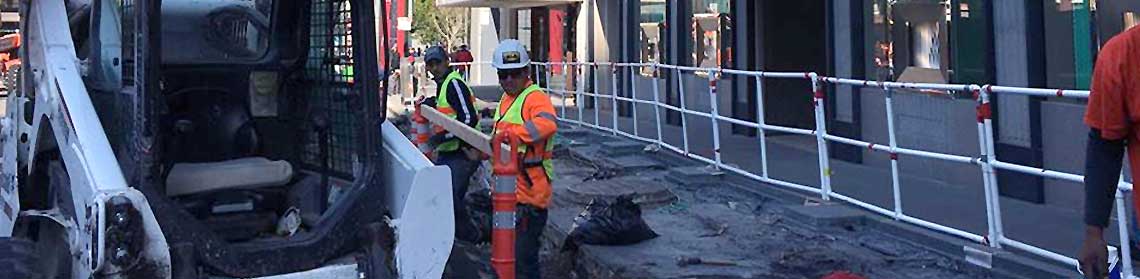
A patio can go from useful outdoor space to a real property problem fast. Cracks spread, sections settle, drainage heads toward the house, and old concrete becomes an obstacle when you are planning a yard upgrade. If you need to remove old concrete patio slabs, the job is more than swinging a sledgehammer. You need a safe plan for breaking it up, handling heavy debris, protecting nearby structures, and getting the material hauled away.
For a small, thin slab with clear access, some homeowners can handle part of the work. For a large patio, reinforced concrete, tight side-yard access, or a slab close to the foundation, bringing in a licensed demolition and hauling contractor is usually the safer and faster choice.
Start With the Reason for Removal
The reason you are removing the patio affects how much concrete must come out and what work should happen next. A few surface cracks do not always mean full removal is necessary. If the slab is generally level, solid underneath, and away from the house, repair or resurfacing may cost less.
Removal makes more sense when the patio has major settling, wide cracks, heaving from roots, drainage problems, or crumbling edges. It is also often needed before installing a new patio, extending landscaping, building a deck, replacing underground lines, or preparing for an addition.
Look closely at where the patio meets the home. Concrete that slopes toward the foundation can direct water where it does not belong. In that case, simply patching the surface may not solve the real problem. The old slab, base material, and drainage plan may all need attention.
Check What Is Under and Around the Patio
Before concrete demolition begins, identify anything that could be damaged. Patio slabs may cover irrigation piping, electrical conduit for lighting, gas lines for outdoor kitchens, drainage pipes, or old utility work. Do not assume a line is absent because it is not visible.
Call for utility marking before digging or breaking ground, and take a careful look at the patio perimeter. Note sprinkler heads, retaining walls, fences, air-conditioning equipment, steps, doors, garden beds, and windows. Concrete pieces can shift or fly when they are being broken, especially near edges.
Tree roots deserve special attention. Roots are often the reason a patio has lifted, but cutting large roots without understanding the tree’s condition can create a separate hazard. If the slab sits close to a mature tree, an arborist may need to advise on which roots can be cut safely.
Permits are another item to check before work starts. Demolishing a simple backyard patio may not require one, but rules can change when the project involves drainage, grading, structural work, or replacement construction. A contractor can help explain what is involved, but the property owner should also confirm local requirements.
What Makes Concrete Patio Removal Difficult
Concrete is heavy. A single square foot of a 4-inch-thick slab can weigh roughly 50 pounds. A modest 12-by-12-foot patio can produce several tons of broken concrete, plus dirt, base rock, rebar, and other debris. That is why the breakup is only one part of the job. Loading, hauling, and proper disposal take real equipment and labor.
Thickness matters too. Many older patios are 3 to 4 inches thick, while driveways, equipment pads, and some heavily built patios may be thicker. Reinforcing steel or wire mesh makes demolition slower because every section must be cut or separated after it is broken.
Access can be the deciding factor. A patio beside a wide driveway is much easier to remove than one behind a home with a narrow gate, stairs, landscaped slopes, or no equipment access. A Bobcat can make short work of an open-area slab, but it may not fit every yard. In tight spaces, crews often use smaller tools, wheelbarrows, and controlled hand demolition to get debris out without tearing up the property.
How to Remove an Old Concrete Patio in Stages
A professional removal job usually starts by clearing the work area. Furniture, planters, grills, loose pavers, and yard items should be moved well away from the slab. Nearby windows, walls, and landscaping may need temporary protection from dust and flying chips.
The crew then creates a starting point at an exposed edge or makes controlled cuts in the slab. Cutting sections can reduce cracking beyond the work area and makes pieces more manageable. A demolition hammer, jackhammer, or machine-mounted breaker is used to break the concrete into sections that can be loaded safely.
Once concrete is broken up, workers separate out rebar, wire mesh, and oversized chunks. The debris is loaded into hauling equipment and taken for appropriate disposal or recycling when available. The area is then cleaned of loose rubble, sharp metal, and remaining fragments.
The final step depends on your plans. If you are pouring a new patio, the ground may need excavation, grading, compaction, and a fresh base. If you are turning the area into lawn or planting beds, the remaining soil may need to be leveled and improved. Do not skip this stage. A clean concrete removal site is not automatically ready for the next project.
Safety Problems That Are Easy to Underestimate
Concrete demolition creates silica dust, sharp debris, noise, vibration, and heavy lifting hazards. Eye protection, hearing protection, gloves, sturdy boots, and proper respiratory protection are basic requirements. Wetting the work area can help control dust, but water must be used carefully around electrical tools and nearby drainage paths.
The biggest risk is often not the jackhammer. It is trying to lift pieces that are too large, stacking debris unsafely, or working too close to a wall, footing, or utility line. Broken concrete has uneven edges and can shift unexpectedly. A small injury can turn a weekend project into a much bigger problem.
Equipment also needs room to operate. A skid steer or mini excavator can damage fences, curbs, irrigation, and landscaping if the operator does not have a clear route. Good demolition is controlled work, not simply breaking everything as fast as possible.
Should You Do It Yourself or Hire a Crew?
Doing it yourself may be reasonable when the patio is very small, unreinforced, easy to access, and far from the house or utilities. You should still have a plan for dust control, protective gear, debris containers, and disposal before the first piece is broken.
Hiring help is usually the better value when the slab is large, thick, reinforced, cracked into uneven sections, or located in a difficult backyard. The same is true if you need the area graded afterward or have a deadline for a remodel, sale, tenant turnover, or landscaping project. Renting tools, making multiple disposal runs, and losing several days of work can add up quickly.
A qualified contractor should be clear about what is included in the estimate. Ask whether pricing covers demolition, loading, hauling, disposal, rebar removal, site cleanup, and any grading or dirt removal. If the patio has limited access, make sure the contractor has seen the route from the slab to the street before giving a final price.
Ron’s Hauling has handled concrete, demolished materials, dirt, and patio removal jobs in the Bay Area since 1993. For homeowners and property managers in Danville, Alamo, San Ramon, and Walnut Creek, a job-specific inspection helps determine the right equipment, labor, and hauling plan without guessing.
Plan the Next Surface Before the Concrete Is Gone
It is easier to make good decisions before demolition than after a bare patch of uneven dirt is left behind. Decide whether the replacement will be new concrete, pavers, gravel, a deck, artificial turf, planting space, or lawn. Each option needs a different base and drainage approach.
If you are replacing concrete with concrete, confirm the desired size, thickness, slope, and control-joint layout with the contractor who will install it. If water has been collecting near the house, address the grading before the new surface goes in. Otherwise, a brand-new patio can repeat the same failure as the old one.
Removing an old patio is a chance to fix the ground underneath it, not just clear away broken concrete. Get the removal done safely, keep the debris under control, and leave the space ready for the yard you actually want to use.