
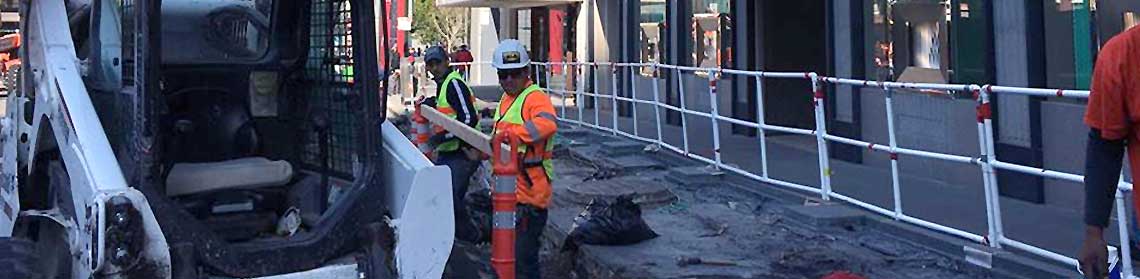
A cracked patio can look like a simple cleanup job until the first piece comes loose. Concrete is heavy, often reinforced with steel, and may sit next to landscaping, utility lines, foundations, or finished surfaces that cannot be damaged. A concrete removal contractor handles the breaking, loading, haul away, and site cleanup so the job does not turn into a pile of rubble in your driveway.
For homeowners, landlords, property managers, and contractors, the question is usually not whether old concrete needs to go. It is how to get it out without creating damage, delays, or disposal problems. The answer depends on the size of the slab, access to the area, what is under or around it, and what you plan to do with the space afterward.
What a Concrete Removal Contractor Actually Does
Concrete removal is more than swinging a sledgehammer. A professional crew looks at the slab, determines how it was built, breaks it into manageable sections, removes any reinforcing steel, loads the material, and clears the work area. Depending on the project, the crew may use jackhammers, concrete saws, Bobcats, hauling trucks, and hand tools.
The work can be as targeted as removing a small section of sidewalk for a plumbing repair. It can also involve taking out an old driveway, backyard patio, pool deck, retaining wall, garage slab, or the concrete footings left behind after a shed or fence is demolished.
A good contractor also considers the next step. If a new patio, driveway, landscape feature, or addition is planned, the removal needs to leave a workable surface for the contractor coming in after. That may mean removing all broken material, digging out a base layer, or leaving an area ready for grading. The exact scope should be discussed before equipment arrives.
Signs It Is Time to Remove Instead of Repair
Small surface cracks do not always call for complete removal. A concrete repair may make sense when the slab is generally level, stable, and only has minor cosmetic damage. But patching cannot fix every problem.
Removal is often the better choice when a driveway or patio has major settlement, wide cracks, heaving, crumbling edges, or drainage problems. Tree roots can lift concrete and create trip hazards. A poorly sloped slab can direct water toward a house or garage. Old concrete may also need to come out because it is in the way of a remodel, a new fence, a hot tub removal, or a larger outdoor project.
If sections of a slab are uneven, replacing only the damaged area can sometimes work. Other times, the repair line will remain visible and the underlying soil issue may cause the new section to move too. It depends on the cause of the failure, not just how bad the concrete looks from the surface.
Why Concrete Is Not a Regular Junk Removal Job
Broken concrete adds up fast. One cubic yard can weigh roughly two tons. A small-looking patio can produce several truckloads of material once it is broken apart. That weight changes the job from basic hauling to a project that needs the right equipment, loading plan, and disposal arrangement.
Concrete may also contain rebar, wire mesh, embedded posts, old pipes, or thickened edges around the perimeter. Cutting or breaking near a home, wall, gate, sprinkler line, or utility connection takes care. Dust control matters as well, especially in tight residential spaces where neighbors, vehicles, and open windows are close by.
Trying to handle the job with a pickup truck and rented tools can work for a very small, open-area project. The trade-off is time, physical strain, tool rental costs, repeated disposal trips, and the possibility of overloading a vehicle. For a larger slab or difficult access, a crew with demolition and hauling equipment is usually the more practical choice.
The Details That Affect Concrete Removal Cost
There is no useful flat price for every concrete removal job because the material itself is only one part of the work. The amount of concrete, its thickness, whether it contains steel, and how close the truck can get all affect the estimate.
Access is a major factor. A front driveway with room for equipment is different from a backyard patio reached through a narrow side yard. Stairs, hills, gates, landscaping, and limited parking can require more hand loading and more labor. A slab that is attached to a foundation or near a pool also needs a more careful approach than a freestanding walkway.
Disposal is another part of the price. Concrete is heavy and must be taken to an appropriate facility. Clean concrete can sometimes be separated for recycling, while mixed demolition debris may require different handling. Asking for a job-specific estimate helps you understand what is being removed, what equipment is needed, and whether haul away and cleanup are included.
What to Tell Your Concrete Removal Contractor Before Work Starts
Clear information helps the crew show up prepared. Let the contractor know the approximate dimensions of the concrete, where it is located, whether it is cracked or reinforced, and what sits next to it. Photos are useful for showing access, gates, slopes, landscaping, and nearby structures.
It also helps to explain your end goal. Are you replacing an old driveway? Opening space for landscaping? Removing a damaged patio before selling a property? Preparing for a remodel? The plan affects how much material should be removed and whether dirt, base rock, fence posts, or other debris should be hauled away at the same time.
Before demolition begins, make sure utility lines and irrigation are addressed when relevant. Underground gas, electrical, water, sewer, and sprinkler lines do not always follow obvious paths. A professional contractor will identify site concerns, but property owners should share anything they know about past repairs, additions, or buried lines.
Choosing the Right Crew for the Job
For concrete removal tied to demolition or construction cleanup, experience and licensing matter. You want a contractor who can handle the actual removal work, not someone who only arrives after the concrete has already been broken into piles.
Ask whether the company has the equipment for your access conditions, how it handles concrete disposal, and whether it can remove related materials such as old fencing, a shed foundation, dirt, rubble, or demolition debris. Confirm what the crew will leave behind when the work is finished. A clean site means different things to different people, so it is worth being specific.
For jobs involving a structure, a foundation, or work close to utilities, permits or additional specialists may be needed. A dependable contractor should be straightforward about the limits of the job and refer you to the right professional when work falls outside its scope. That is better than guessing around a safety issue.
From Broken Slab to Usable Space
Concrete removal is often the first visible step in a bigger property improvement. Once the old material is gone, a backyard can be landscaped, a failing driveway can be rebuilt, and a neglected side yard can become usable again. The cleanout work may not be glamorous, but it clears the way for the part of the project you actually want.
Ron’s Hauling has handled concrete, demolition debris, patios, driveways, and property cleanup work since 1993. If old concrete is taking up space or creating a hazard, get a clear estimate, plan the work around the next phase of your project, and let an equipped crew handle the heavy haul away.