
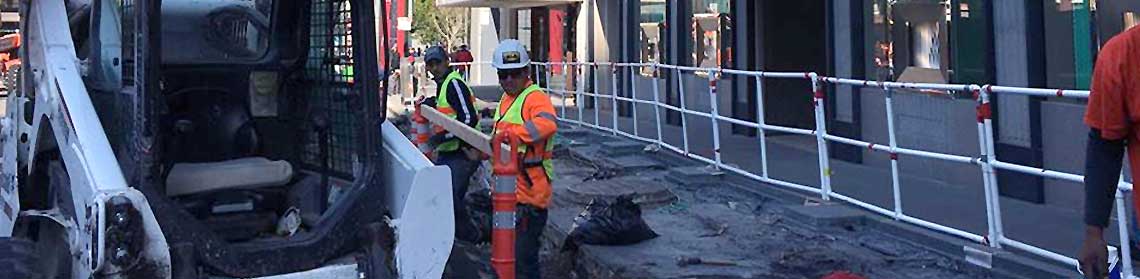
A remodel can look like progress inside the house while the driveway tells a different story: broken drywall, lumber cutoffs, old cabinets, concrete chunks, and packaging stacked where vehicles and workers need to move. Construction debris removal keeps that pile from becoming a safety issue, a scheduling delay, or a last-minute headache before an inspection, showing, or final walkthrough.
For a homeowner replacing a patio or a contractor clearing a remodel, the goal is simple. Get the debris loaded, hauled away, and disposed of properly so the work area is usable again. The right approach depends on the material, the amount of debris, site access, and whether demolition is still underway.
What Counts as Construction Debris?
Construction debris is the waste left behind by building, remodeling, demolition, repair, or landscaping work. Some jobs create a few pickup-loads of material. Others leave behind dense, heavy debris that needs equipment and an experienced crew to move safely.
Common materials include:
- Lumber, plywood, framing scraps, doors, cabinets, and trim
- Drywall, plaster, insulation, flooring, carpet, tile, and roofing materials
- Concrete, brick, block, dirt, asphalt, and rock
- Old fixtures, appliances, fencing, sheds, patio materials, and demolished structures
- Cardboard, plastic wrap, pallets, and other jobsite packaging
Not every material should go into the same load. Concrete and dirt can make a truck heavy fast. Clean wood may have different disposal options than mixed demolition debris. Appliances, paint, chemicals, batteries, and suspected hazardous materials need separate handling. A good hauling crew looks at what is actually on the property before quoting the work instead of treating every pile as ordinary junk.
Why Debris Needs to Leave During the Project
Waiting until the very end to remove waste can seem cheaper, but it often makes the job harder. A crowded site slows down workers, blocks access to materials, and creates more chances for nails, sharp metal, broken glass, or unstable piles to cause an injury.
Regular cleanup also makes it easier to see the real condition of the work area. On a kitchen remodel, for example, removing old cabinets, flooring, and drywall before the next trade arrives gives plumbers, electricians, and installers room to work. On an exterior project, hauling away broken concrete or fence materials keeps pathways open and helps protect landscaping from further damage.
For landlords and real estate professionals, cleanup timing can affect turnover. A vacant unit full of renovation debris does not photograph well, cannot be shown properly, and may hold up cleaning or repairs. The same applies to commercial properties where rubbish around a loading area, storefront, or construction zone can affect daily operations.
Heavy Material Changes the Plan
A pile of wood studs and cardboard is one thing. Concrete, soil, brick, and wet drywall are another. Dense materials add weight quickly, and trying to load too much into a personal truck or light trailer can create unsafe driving conditions and damage the vehicle.
Concrete removal may also involve breaking up an old patio, walkway, slab, footing, or driveway section before hauling begins. That work needs the right tools, room to operate, and a plan for loading. If access is narrow, the crew may need to use wheelbarrows, smaller equipment, or a different loading location. The fastest solution is not always the one with the biggest machine. It depends on the site.
Construction Debris Removal or a Dumpster?
A dumpster works well when a project will create debris over several days or weeks and there is a safe place to set the container. It gives workers a central spot for waste, but it also requires customers to load it, keep unsuitable materials out, and avoid filling it beyond the allowed level. Street placement may require additional coordination depending on the location.
Professional construction debris removal is often the better fit when the pile is already there, the property has limited space, or someone needs the material loaded and cleared the same day. A hauling crew can remove debris from a backyard, side yard, garage, upper-level unit, or demolition area without leaving a container on the property.
For many projects, a combination works best. Use a dumpster for ongoing light debris, then schedule a final haul away for heavy pieces, leftover materials, and the cleanup that needs labor. There is no reason to pay for a container sitting half-full if the job only produces one concentrated pile.
Prepare the Site for Faster Hauling
You do not need to sort every board or sweep every corner before calling a hauling company. That is what the cleanup crew is there for. Still, a little preparation can make construction debris removal quicker and help avoid surprises in the estimate.
First, keep any materials you plan to reuse separate from the waste pile. Saved doors, usable lumber, fixtures, and contractor supplies can look like debris once cleanup starts. Point them out clearly.
Next, identify anything that may require special handling. Paint cans, solvents, fuel, chemicals, propane cylinders, batteries, medical waste, and materials that may contain asbestos or lead should not be mixed into ordinary demolition debris. These items may require a qualified specialist or a designated disposal program. A dependable contractor will tell you when a different professional is needed rather than taking risks with unsafe material.
Finally, provide a clear path to the debris whenever possible. Move vehicles from the driveway, unlock gates, and let the crew know about low branches, tight side yards, stairs, steep slopes, or fragile surfaces. Photos and a straightforward description of the job help determine whether a truck, trailer, Bobcat, or demolition equipment is appropriate.
When Demolition and Hauling Should Be One Job
Sometimes the debris is only the visible part of the work. An old shed, failing fence, worn-out hot tub, cracked patio, or damaged interior space may need to be taken apart before anything can be hauled away. Coordinating demolition and cleanup through one contractor can save time because the crew can plan the tear-out, loading, equipment, and final site cleanup together.
Selective demolition is especially useful when only part of a structure needs to go. A kitchen remodel may require removal of cabinets, counters, flooring, and a nonstructural wall while protecting the rest of the home. A commercial tenant improvement may need old fixtures, partitions, or flooring removed without disrupting areas that remain in use. Careful demolition reduces unnecessary damage and leaves a cleaner starting point for the next phase.
Ron’s Hauling has handled hauling, cleanup, and demolition work since 1993, including small residential debris piles and larger contractor cleanup jobs. Licensed work matters when a project goes beyond basic junk removal and requires demolition knowledge, equipment, and jobsite coordination.
What Affects the Cost of Debris Haul Away?
Most construction debris jobs are priced based on the type and amount of material, labor required, access, equipment needs, and disposal fees. A neatly stacked pile near the curb is generally easier to remove than the same amount of debris spread across a backyard after a demolition project.
Weight is a major factor. Concrete, dirt, roofing, plaster, and wet materials can cost more to haul than light wood, cardboard, or plastic. Labor also matters when debris must be carried down stairs, loaded from behind a house, or separated from reusable items. If demolition is needed first, the estimate should account for that work rather than treating it as a simple pickup.
The lowest quote is not always the lowest final cost. Ask what material is included, whether loading and cleanup are part of the service, and how heavy materials or special disposal needs are handled. A clear job-specific estimate gives you a better picture than a vague price that changes once the truck arrives.
Keep the Cleanup From Becoming the Next Project
Do not let a finished remodel, fence replacement, patio removal, or tenant turnover end with weeks of debris sitting on the property. Schedule hauling as soon as the pile is ready, or arrange periodic cleanup if the work will continue in stages. A clean work area is safer, easier to manage, and ready for whatever comes next.
If you have construction waste, demolished material, concrete, dirt, or a cleanup job that is bigger than your vehicle can handle, get the pile looked at before it grows. The right crew, truck, and equipment can turn a blocked-up jobsite back into usable space.